
Kaomoji guide
1. What is Kaomoji (顔文字)?
Kaomoji, Also known as Japanese emojis, it is a type of text expression composed of multiple characters. It was first popular in Japanese Internet culture, and usually used parentheses, punctuation, Japanese characters, English letters and various special symbols to spell out different facial expressions and actions.
Unlike emojis, which are separate graphic expressions, Kaomoji itself is composed of text characters, so it can be directly copied and pasted into chats, social media, game nicknames, personal profiles, and comments. Many Kaomoji use changes in their eyes, mouth, arms, or other symbols to express emotions such as happiness, shyness, sadness, anger, surprise, helplessness, etc., making ordinary text look more interesting and expressive.
2 Why do we need to use Kaomoji?
When chatting or writing a personal profile, it is difficult to express the tone with only text. Kaomoji such as (T_T)、(≧▽≦)can immediately imbue an ordinary sentence with obvious emotions.
3.Where can Kaomoji be used?
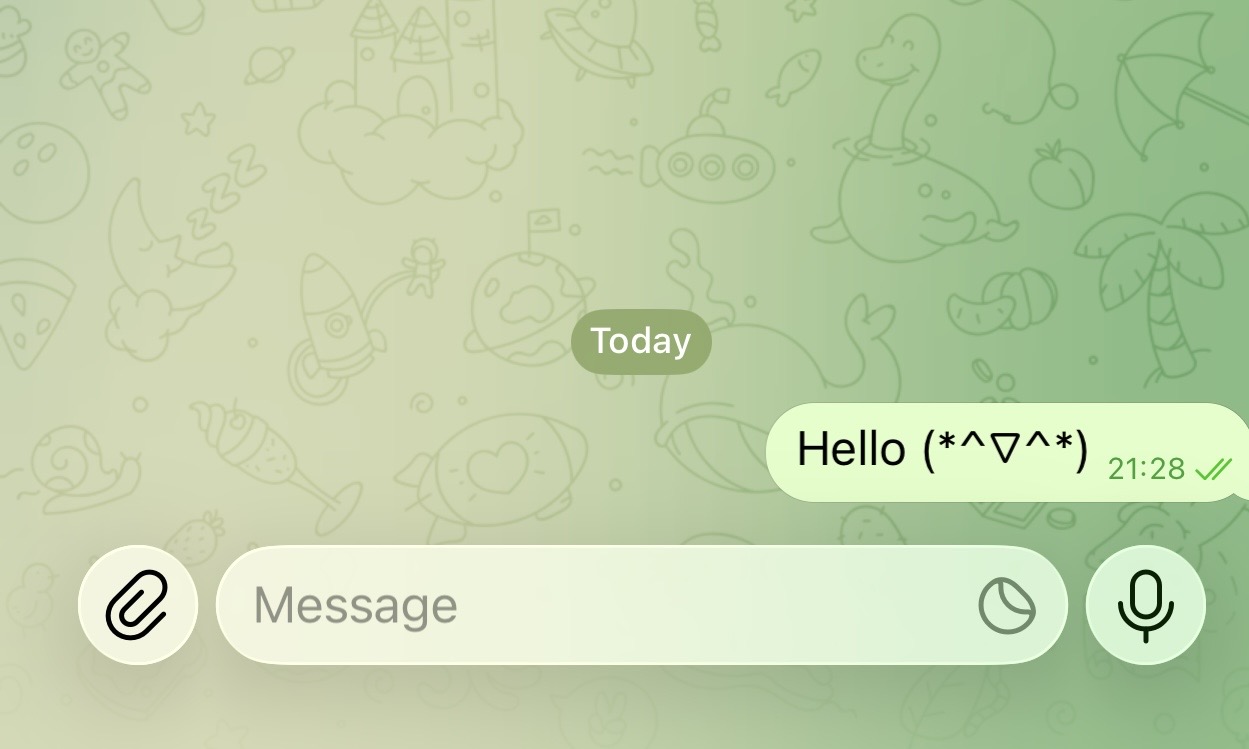
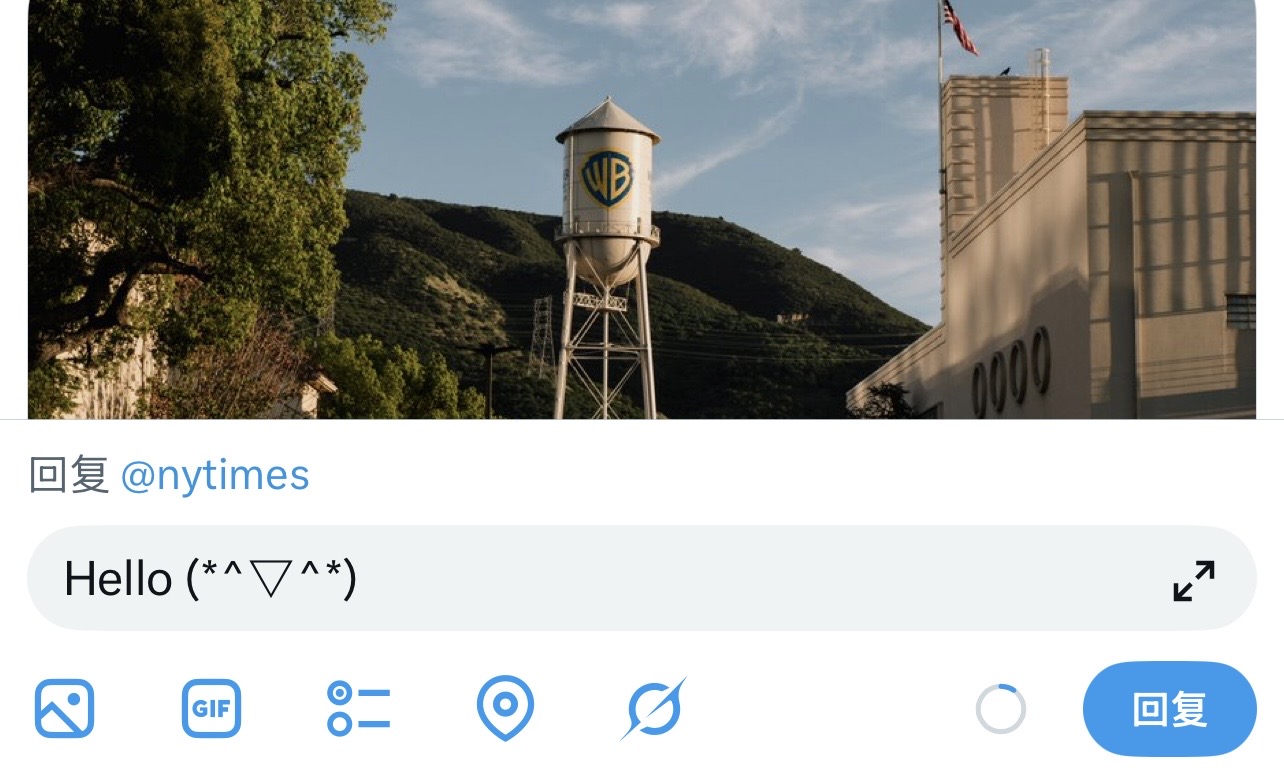
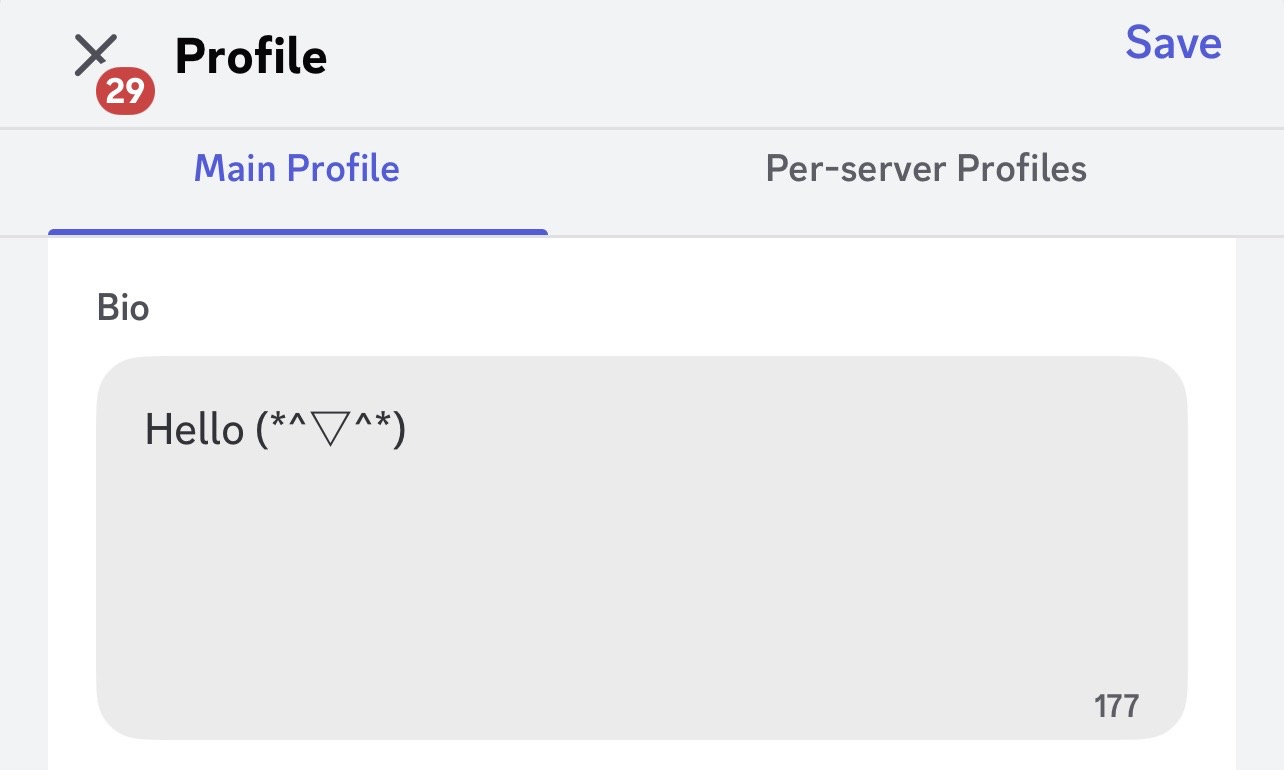
We have tested X, Telegram, and Discord, and kaomoji can display correctly.
Social media posts and comments
In platforms such as X, Telegram, Discord, Kaomoji can be used to match dynamics, reply to comments, or express instant emotions, making interactions look easier and more approachable.
Daily chat
In chat tools such as Facebook, Telegram, Slack, etc., Kaomoji can be directly copied to reply to friends or colleagues, expressing different emotions such as happiness, shyness, helplessness, surprise, etc., making pure text conversations more vivid.
Personal homepage and content creation
Kaomoji is also suitable for placement in personal profiles, blogs Newsletter、 In signatures or short texts, used to decorate text, making the content more recognizable and personal style.
Games and online communities
In game chat channels, forums, or interest communities, Kaomoji can quickly express more exaggerated actions and emotions, such as flipping the table, crying, celebrating, getting angry, or shocked, which are more expressive than ordinary words.
4. How to correctly understand the character structure of Kaomoji?
The core logic of Kaomoji consists of four elements: outline, eyes, mouth, and limbs/props. The following breakdown uses three popular Kaomoji as examples:
Note: The original speechless / indifferent example is not included in our current resource library, so this table uses ( ̄_ ̄), an available Sad kaomoji, instead.
| Example | Element | How it works |
|---|---|---|
| Excited / Happy (≧▽≦) | Face outline | ( and ) — set the boundaries of the head. |
| Eyes | ≧ and ≦ — taken from the mathematical symbols for “greater than or equal to” and “less than or equal to”; they represent eyes narrowed into slits with excitement. | |
| Mouth | ▽ — taken from a geometric triangle symbol; it represents the shape of a wide, smiling mouth. | |
| Angry table flip (╯°□°)╯︵ ┻━┻ | Arms / limbs | (╯... )╯ — curves and apostrophes build the motion of raised arms flipping forward. |
| Eyes and mouth | °□° — ° creates small circular eyes, while □ creates a large square mouth, showing shock and anger. | |
| Action and prop | ︵ represents a parabolic throwing motion, while ┻━┻ uses table characters to form a table. | |
| Unamused / indifferent ( ̄_ ̄) | Face outline | ( and ) — set the boundaries of a compact, closed-off face. |
| Eyes |  ̄ and  ̄ — flat horizontal marks that create a tired, indifferent gaze. | |
| Mouth | _ — a short, level line that expresses an emotionless expression. |
5.How to use this tool to find your favorite Kaomoji?
Search or select categories
You can enter the emotions or keywords you want to express in the search box, such as Happy, Sad, Angry, or directly browse different types of Kaomoji through category tags.
Browse for appropriate styles
View search results or category lists, and select the Kaomoji that best fits the current context and emotion. Different styles may have differences in expression, action, and character complexity.
Click to copy
After finding your favorite Kaomoji, simply click on the corresponding card, and the content will be automatically copied to the clipboard without manually selecting characters.
Paste to desired location
Open chat software, social media, game or document editor, use Ctrl+V; If using a Mac, press CMD+V to paste and use the Kaomoji that was just copied.
6. Are all the characters in Kaomoji Japanese?
Not necessarily. Although Kaomoji originated in Japan and often uses some Japanese characters, it is not made up only of Japanese characters. Modern Kaomoji mixes characters from different languages and symbol systems to create eyes, mouths, arms, and a variety of actions.
Common character sources include:
Japanese characters: For example, つ is often used to create arms or actions.
Greek letters: For example, ω and Ψ often appear in mouths or decorative details.
Mathematical symbols: For example, ∀, ∂, ≧, and ≦ can make an expression look more exaggerated or distinctive.
Other language characters: For example, the Cyrillic letter Д is often used to make a wide-open mouth.
Unicode special characters: For example, ʕ•ᴥ•ʔ uses characters from other writing systems that combine to form a bear-like shape.
Therefore, rather than seeing Kaomoji as simply “Japanese emoticons,” it is more accurate to understand them as a form of text art made from freely combined Unicode characters. They can cross languages and character systems to create all kinds of interesting expressions and actions.
7. Popular Kaomoji recommendations
| Type | Kaomoji |
|---|---|
| Happy | (◕‿◕)、(≧▽≦)、(*^▽^*) |
| Cute | (๑>◡<๑)、(。・ω・。)、(◍•ᴗ•◍) |
| Love | (♥ω♥)、(♡˙︶˙♡)、(°◡°♡) |
| Angry | (ಥ益ಥ)、(╬ Ò﹏Ó)、(╯°□°)╯︵ ┻━┻ |
| Sleepy | (=^-ω-^=)、(-ω-) zzZ、(o´〰`o) |
| Sad | (´;ω;`)、(︶︹︺)、(◞‸◟) |
| Cats | (=♡ω♡=)、(=^・ω・^=)、ฅ(=・ω・=)ฅ |
| Dog | (U・ᴥ・U)、(ᵔᴥᵔ)、▼・ᴥ・▼ |